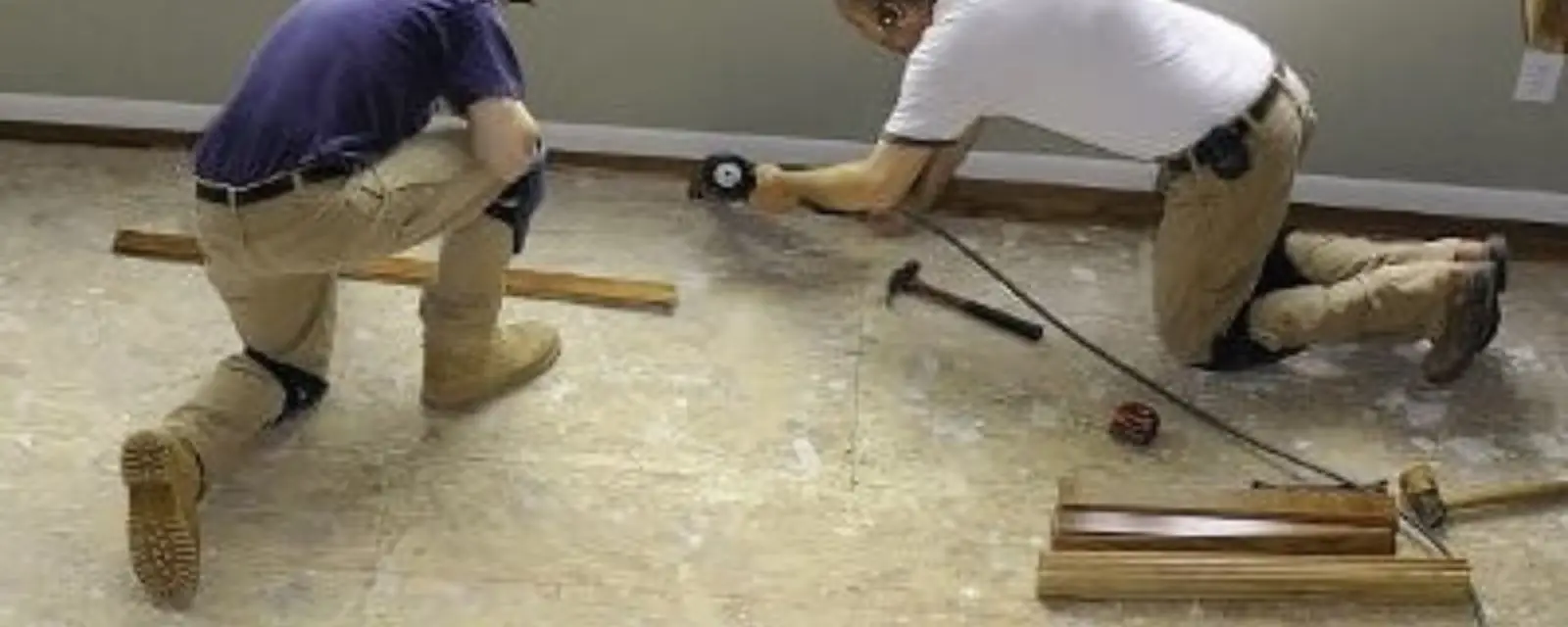
What water damage repair covers once the drying is done
Water damage repair in Holliston, MA is the rebuild stage. It starts after the water has stopped and the structure has been dried to normal moisture readings, and it ends when walls, ceilings and floors look and work the way they did before the loss.
That sequence matters. Closing up a wall that still reads wet traps moisture behind new paint, and the stain usually comes back within a season. A repair plan that skips the moisture check is a repaint, not a repair.
If water is still moving through the house, stop here and call the 24/7 line at (508) 446-9244. Emergency removal and drying come first, and our emergency water removal crews handle that stage before any rebuild is priced.
Signs the damage is bigger than the stain
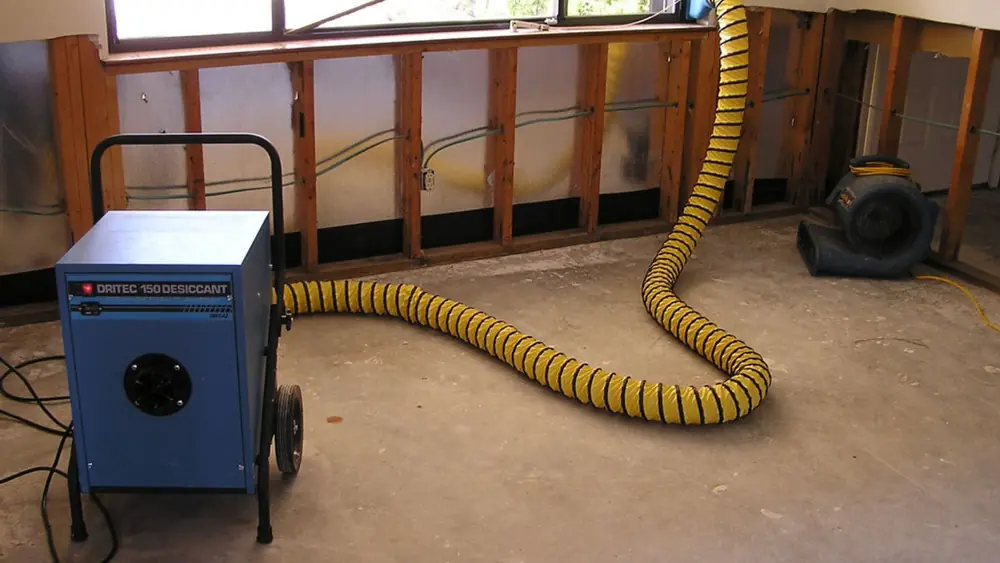
A brown ring on a ceiling is the part you can see. What sits behind it is often a soaked insulation batt, a sagging sheet of drywall and a joist bay that stays damp for weeks.
These signs usually mean material has to come out, not just get painted:
- Drywall that feels soft, crumbles at the edge or dents under a thumb
- Paint that bubbles, peels or leaves a chalky white residue along a wall base
- A ceiling that bows downward or has a hairline crack running across the stain
- Baseboards or door casings that have swollen away from the wall
- A musty smell that returns after the room has been aired out
- Hardwood boards that rise at the edges into a cup shape
A moisture meter and a thermal imaging camera tell us how far the water went. The readout decides whether we cut a small access hole or take out a full ceiling section.
Ceiling and wall water damage repair
Ceilings fail first because water pools above them. A leak from an upstairs toilet, a failed supply line or a roof leak can saturate the drywall long before the stain shows on the surface.
When a ceiling is wet, the safe move is to relieve the water instead of waiting. Drilling a small hole at the lowest point of the bulge lets trapped water drain into a bucket. Leave the panel in place until someone checks the cavity above it, because wet insulation carries the weight of the water.
Walls follow a similar path. Water travels down inside the wall cavity and wicks upward through the drywall paper, so the visible damage sits higher or lower than the real source. Where readings stay high, we remove the affected sheet, usually cutting a clean line at a stud so the patch can be taped and finished without a visible seam.
Insulation that took on water is removed rather than dried in place. Wet fiberglass and cellulose lose their rating, hold moisture against the framing and are the usual source of the smell that never leaves.
Hardwood floors, carpet and subfloor
Hardwood absorbs moisture through the underside, which is why boards cup before any water is visible on top. If the floor was wet for only a short time and the subfloor reads dry, controlled drying can save it. If the boards are crowned or the finish is splitting, replacement is the honest answer.
Wall-to-wall carpet is judged by water category and time. Clean water caught early can be extracted and the pad replaced. Carpet that sat in contaminated water is discarded, a point we cover under water damage cleanup.
| Material | What water does | Usual repair path |
|---|---|---|
| Painted drywall | Softens, stains and can grow mold on the paper face | Cut out wet section, replace, tape, prime and paint |
| Insulation batts | Hold water and lose insulating value | Remove and replace after the cavity is dry |
| Solid hardwood | Cups or crowns as the underside absorbs moisture | Controlled drying if early, replacement if boards are crowned |
| Carpet and pad | Wicks water upward and holds it in the pad | Pad replaced, carpet extracted and dried or replaced |
| Plywood subfloor | Swells at edges and can delaminate | Dry and test, or cut out and replace the damaged panel |
| Trim and cabinets | Swell, warp and separate at joints | Replace trim, dry cabinet bases, replace particleboard boxes |
Older Holliston homes change the repair plan
Holliston's building stock is a mix. The Massachusetts Historical Commission's town survey describes Colonial and Federal houses, many Greek Revival side-hall cottages from the mid-1800s and early twentieth century bungalows, and the villages of Braggville and Metcalf date back to the Federal period.
In an older house, plaster and lath walls, original window casings and wide-board floors are worth saving where the moisture readings allow. We plan the cut lines to protect trim you cannot buy off a shelf, and we flag anything that may need a specialist before demolition starts.
Pre-1978 paint is a separate issue. Disturbing it during demolition can release lead dust, so ask any contractor how they handle older painted surfaces before work begins.
What drives the price of water damage repair
Every loss is different, so we explain scope and price before work starts instead of quoting a number over the phone. These factors move the total the most:
- The water category (clean, gray or contaminated) and how long materials stayed wet
- Square footage of ceiling, wall and floor that has to come out
- The materials involved, such as plaster, hardwood or engineered flooring
- How many days of drying were needed before the rebuild could start
- Rebuild scope, from patch and paint to full room finishes
Insurance and documentation
Sudden and accidental water damage, such as a burst pipe or a failed appliance line, is often covered by a homeowners policy. Slow leaks and long-term neglect often are not. Check your policy or ask your insurer, because wording differs between companies.
Standard homeowners policies leave out flood damage, according to the Massachusetts Division of Insurance, though a sump pump or water backup endorsement may add limited coverage. Photograph the damage before anything is removed and keep every receipt. Our written scope lists the rooms, materials and moisture readings so your adjuster has something specific to review.
Where repair work sits in the full process
Repair is the last of four stages. First comes stopping the water, then water mitigation to dry the structure, then cleanup of damaged materials, and finally the rebuild described on this page. Homeowners in nearby Milford and Ashland follow the same order, and we serve both from the same dispatch line.
Flooding from a stream or a failed dam is handled differently, since floodwater is treated as contaminated. If that is your situation, read about flood damage restoration before you start pulling out materials.
Frequently asked questions
How do I know if drywall needs to be replaced after a leak?
Press on the surface. Drywall that dents, crumbles or feels soft is no longer structural, and so is any section that stays damp after several days of airflow. A moisture meter gives the final answer, since paint can hide a wet board.
Can a water-stained ceiling just be painted over?
Only if the drywall is dry and sound. Painting over a wet ceiling traps moisture, and the stain bleeds through again. A stain blocking primer comes after the source is fixed and the readings are normal.
What happens to hardwood floors that cupped after a leak?
Boards often flatten again if the moisture source is removed and the subfloor dries slowly. If the edges are crowned or the finish splits, sanding will not fix it and the boards have to be replaced.
Do you handle water damage repair for homes in Milford and Ashland too?
Yes. The same dispatch line serves Holliston and nearby towns, and each job gets its own written scope.
Does homeowners insurance pay for water damage repair?
Sudden and accidental loss is often covered, while gradual leaks and flood damage usually are not. Read your policy or ask your insurer. We document the damage but cannot promise a claim outcome.
Do you offer water damage repair as an emergency service?
Rebuild work is planned, but the dispatch line is open 24/7 for the water that causes it. If water is still spreading, call (508) 446-9244 and the emergency crews handle that first.
Ready to plan the rebuild?
Call the 24/7 line. We explain scope and price before work starts.
☎ Call (508) 446-9244