When standing water is an emergency
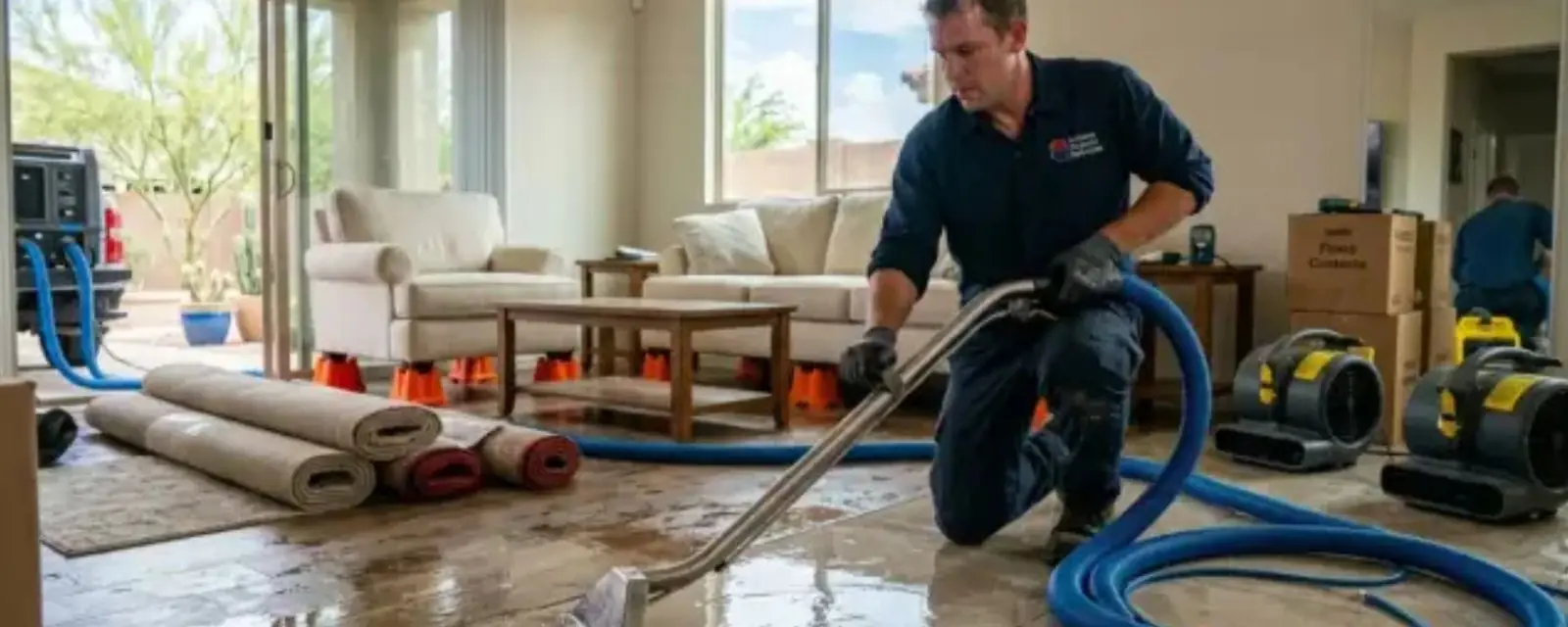
If there is water pooled on a floor right now, treat it as an emergency. Emergency water removal in Holliston, MA is about getting that water out fast with pumps and extraction units, before it soaks into drywall, subfloor and framing.
The 24/7 line at (508) 446-9244 is open at night and on weekends. While you wait, shut off the water supply if you can reach the valve, turn off power to wet areas only if it is safe to do so, lift valuables off the floor and keep people and pets out of the water.
Stop the source
Close the fixture shutoff or the main water valve. If it is a burst pipe, the main valve is usually near the water meter.
Cut power only if it is safe
Turn off power to wet areas only when you can reach the panel on dry ground. Otherwise call your utility or 911.
Lift and move
Raise furniture legs onto foil or blocks, pull rugs and move electronics and paper to a dry room.
Keep people out
Stay clear of standing water, especially if it came from a drain, a toilet or outside the house.
Burst pipe water damage
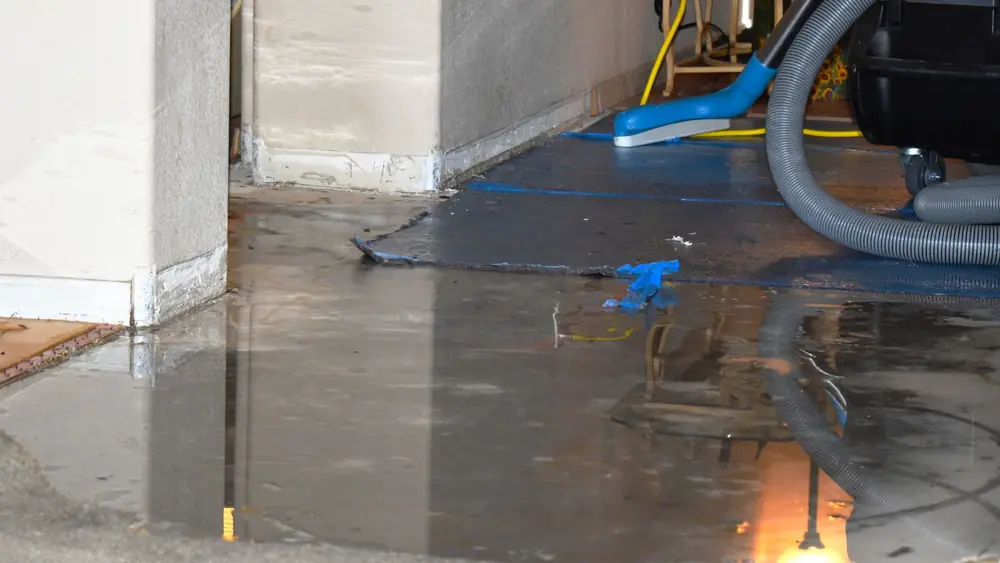
Pipes burst when water freezes and expands, when a supply line fails or when a joint lets go under pressure. New England winters make frozen pipes a regular cause, and a split in a line inside a wall can run for hours before anyone notices.
The first job is the shutoff. A burst pipe can release gallons per minute, so every minute before the main closes adds to the total. After that, extraction removes the pooled water, and the wall and ceiling cavities are checked with moisture meters because the damage rarely stays where the pipe broke.
A call to a licensed plumber is the next step once the water is out, since restoration does not replace the failed line.
How extraction works
Extraction equipment depends on the depth and the surface. Submersible pumps clear deeper water, truck-mounted and portable extraction units pull water from carpet and hard floors, and wet vacuums handle edges and corners.
| Equipment | Used for | Notes |
|---|---|---|
| Submersible pump | Standing water several inches deep | Used first, then followed by extraction |
| Truck-mounted extraction unit | Large areas of carpet, pad and hard floor | Powerful vacuum, hose runs from the truck |
| Portable extraction unit | Upper floors and tight spaces | Used where hoses cannot reach |
| Wet vacuum | Edges, stairs and corners | Finishing step after bulk removal |
| Moisture meter and thermal camera | Finding water behind walls and under floors | Used before and after extraction |
Extraction is only the first half. Once the bulk water is gone, the remaining moisture in the structure has to be dried with air movers and dehumidifiers, which is the water mitigation stage.
Sump pump failure and storm water
A sump pump fails at the worst time, usually during the storm that fills the pit. Power loss, a stuck float switch and a clogged discharge line are the common causes. A battery backup helps, but only if someone tests it.
Storm season around Holliston runs hard. The Massachusetts coastal zone program describes nor'easter season as October through April, and snowmelt adds runoff on top of rain. Check your sump pit before a forecast storm, not after the water is on the floor.
Hardwood and crawl space water
Water under a hardwood floor does not show until the boards cup. If you see a wet spot on a floor, assume more water sits underneath. Crawl spaces are another place water hides, and an inch of standing water in one can wet insulation and framing without any sign inside the house.
We check these spaces with moisture meters before deciding what needs to come out.
What affects the price of water removal
Every emergency is different, so scope and price are explained before work starts. The usual drivers are:
- The water category and the source, such as a clean supply line or a drain backup
- Depth of water and the square footage covered
- The materials soaked, including carpet, pad, hardwood and drywall
- How many days of drying follow the extraction
- Whether demolition and rebuild are also needed
Insurance and next steps
Sudden and accidental water, like a burst pipe or a failed appliance line, is often covered, and gradual leaks often are not. Check your policy or ask your insurer. Take photos before anything moves and keep your receipts.
After extraction, the job continues with drying and cleanup. Our guide to water damage cleanup explains what comes next, and neighbors in Hopkinton and Ashland use the same dispatch line.
Frequently asked questions
Do you handle water removal emergencies at night or on weekends in Holliston?
Yes. Anyone dealing with standing water can ring (508) 446-9244 at three in the morning or on a holiday. When a crew is open the same day, it goes, and the scope and price conversation comes before pumps are set.
What should I do before the crew arrives?
Close the shutoff if that is safe, move valuables up off the floor and keep people and pets away from the water. Only touch the electrical panel if the floor around it is dry.
How much water is too much to handle myself?
If water has covered more than a small area, soaked carpet or reached walls, a shop vacuum will not get it all out. Water left in the structure leads to mold and swelling, so extraction and drying are worth the call.
Can you pump out a flooded crawl space?
Yes. We check for water in crawl spaces, extract it and dry the framing and insulation that got wet.
Do I need a plumber too?
If the source was a failed pipe or appliance line, yes. Restoration removes the water but does not repair the plumbing.
Do you serve towns near Holliston?
Yes. We serve Milford, Ashland, Hopkinton, Medway and Sherborn from the same line.