Why one water damage job gets two very different estimates
Water damage repair cost in Holliston, MA depends on what was wet, how long it stayed wet, what the water carried, and how much of the house has to be rebuilt. There is no honest single figure until someone has measured the damage.
We do not publish prices here, because any number printed without seeing the room would mislead you. What we can do is show you how an estimate is built, so you can read one and ask good questions.
The factors that move the estimate most
Six factors do most of the work. Each one changes labor, materials or the number of days equipment stays in the house.
- Water category: clean supply water, gray water from appliances, or black water from sewage and floods. Higher categories mean more material is discarded and more sanitizing is required.
- Time wet: water that sat for a day behaves differently from water that sat for a week, and wet drywall breaks down faster than people expect.
- Area and height: a wet floor is one job, wet walls to two feet is another, and a ceiling collapse is a third.
- Materials: solid hardwood, engineered flooring, carpet, plaster and drywall each dry or fail differently.
- Access: finished basements, tight attics and second-floor bathrooms change how equipment and debris move.
- Finishes: tile, custom cabinets and specialty paint raise the rebuild scope even when the water damage looks modest.
Each of those shows up as a line in a good estimate. If a quote cannot tell you which factor drove the price, ask the company to break it out.
Mitigation and repair are two different estimates
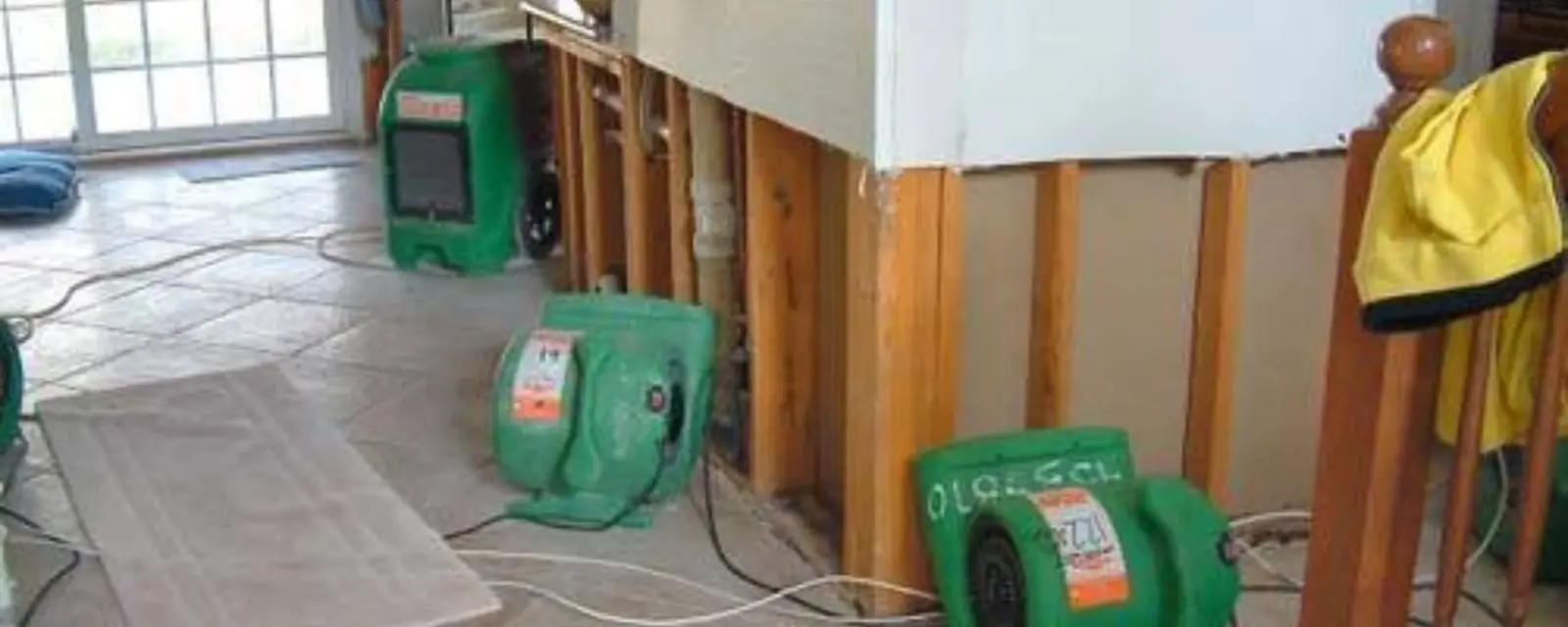
Mitigation is the emergency stage: extraction, demolition of wet materials, drying and monitoring. Repair is the rebuild: new insulation, drywall, flooring, trim and paint. They are often separate scopes, priced separately, and sometimes done by different companies.
That split is useful. Mitigation has to start fast to limit the loss, while repair can wait until the structure reads dry and your insurer has seen the damage. Our water damage repair page covers the rebuild stage, and water mitigation covers the drying that has to come first.
If a single quote mixes both stages in one lump figure, ask for them to be separated. You will see more clearly what is urgent and what can wait.
Reading the line items of a written estimate
A solid estimate lists the room, the work, the unit of measure and the extent of each item. Vague words like "miscellaneous" or "allowance" without a definition are where surprises hide.
| Line item | What it includes | What to ask |
|---|---|---|
| Water extraction | Pumps, extraction units, labor | Which rooms, and is it priced by time or by area? |
| Demolition and disposal | Removing wet drywall, pad, insulation, hauling | Where do the cut lines fall and who pays for dumpster fees? |
| Drying equipment | Air movers, LGR dehumidifiers, daily monitoring | How many units, for how many days, with what readings to stop? |
| Antimicrobial and cleaning | Surface treatment, HEPA vacuuming | Which surfaces, and is it needed for this water category? |
| Drywall and insulation | Hang, tape, finish, insulate | How many coats of finish, and is texture matched? |
| Flooring | Underlayment, new material, installation | Is the material specified, or an allowance? |
| Paint and trim | Prime, paint, baseboards, casings | Whole wall or spot-paint, and which colors? |
Scope versus allowance: where estimates drift apart
A scope says exactly what will be installed. An allowance sets a budget for something not yet chosen, like flooring or tile. Two estimates may look similar until you notice one has a firm scope and the other has an allowance that is far too small for the product you actually want.
When you compare, ask each company to name the material, the brand tier and the thickness or grade. An allowance is fine if you understand how much it buys.
Be careful with phrases like "subject to hidden damage." Hidden damage does turn up, especially behind finished walls. The estimate should state how it will be handled and who approves it.
How to compare two estimates fairly
Put the estimates side by side and match them line by line. If one lists dehumidifiers and the other does not, you are not comparing the same job. Cheaper-looking quotes often leave out whole stages that appear later as change orders.
- Same rooms and same square footage listed in both
- Same cut lines and the same removal of insulation
- Equipment counts and drying days spelled out
- Materials named by type, not just category
- Exclusions listed, such as painting beyond the repair area
- Payment schedule tied to completed stages, not dates
- Written note on how hidden damage will be priced
Ask each company if they work to ANSI/IICRC S500, the published industry standard for water damage restoration. Any homeowner can ask, and a reputable company can answer.
Permits and inspections that can add to the scope
What cheap quotes tend to leave out
Low quotes usually trim documentation, drying days or demolition depth. Skipping moisture logs saves a company time but leaves you with no proof the structure dried. Cutting drywall too short leaves wet material behind and invites odor or mold later.
The same rule holds whether you live in Holliston or in Hopkinton or Milford. Ask any bidder what happens if readings are still high on the final day, and who pays for extra drying.
Next steps: get a scope, then decide
Start with a site visit and written scope. We explain scope and price before work starts, and you decide whether to proceed. Same-day response when available, from licensed and insured professionals.
If your loss involves an insurer, share the estimate and documentation with them before you approve the rebuild stage. Restoration is not plumbing or waterproofing, so a source repair may be a separate trade with its own estimate.
Frequently asked questions
What is the biggest factor in water damage repair cost?
Usually the water category and how long materials stayed wet. Contaminated water forces removal of porous materials, and time wet decides whether drywall, pad and insulation can be dried or must be discarded.
Why are two water damage estimates so different?
They are often scoped differently. One may include demolition, equipment and monitoring, while the other leaves out a stage that appears later as a change order.
Match both line by line before you compare totals.
Should I get more than one estimate?
Yes, if you have time. Two or three written scopes show you where the real differences are. Do not delay emergency drying to shop around, because the damage grows while you wait.
What does a water damage estimate include?
Extraction, demolition and disposal, drying equipment with monitoring, cleaning, then rebuild lines for insulation, drywall, flooring, trim and paint. Each should name the room and the extent.
Does my insurer pay the full estimate?
That depends on your policy and the cause of the loss. Sudden and accidental damage is often covered, but gradual leaks and floods often are not. Check your policy and ask your insurer.
How do I know the structure is actually dry?
Dated moisture readings taken with a meter over several visits, compared with readings from unaffected areas. Compare them with the one-day drying goal in state health guidance and the two-day limit in the Housing Code.
Which Holliston office do I ask about permits for repair work?
The Holliston Building Department handles building, plumbing, gas, wiring and sheet metal permits and inspections. Building modifications also need Health Agent review (Form A).
Ask before starting any structural, plumbing or electrical part of the rebuild.
Dealing with this right now?
Call the 24/7 line. Scope and price are explained before work starts.
☎ Call (508) 446-9244