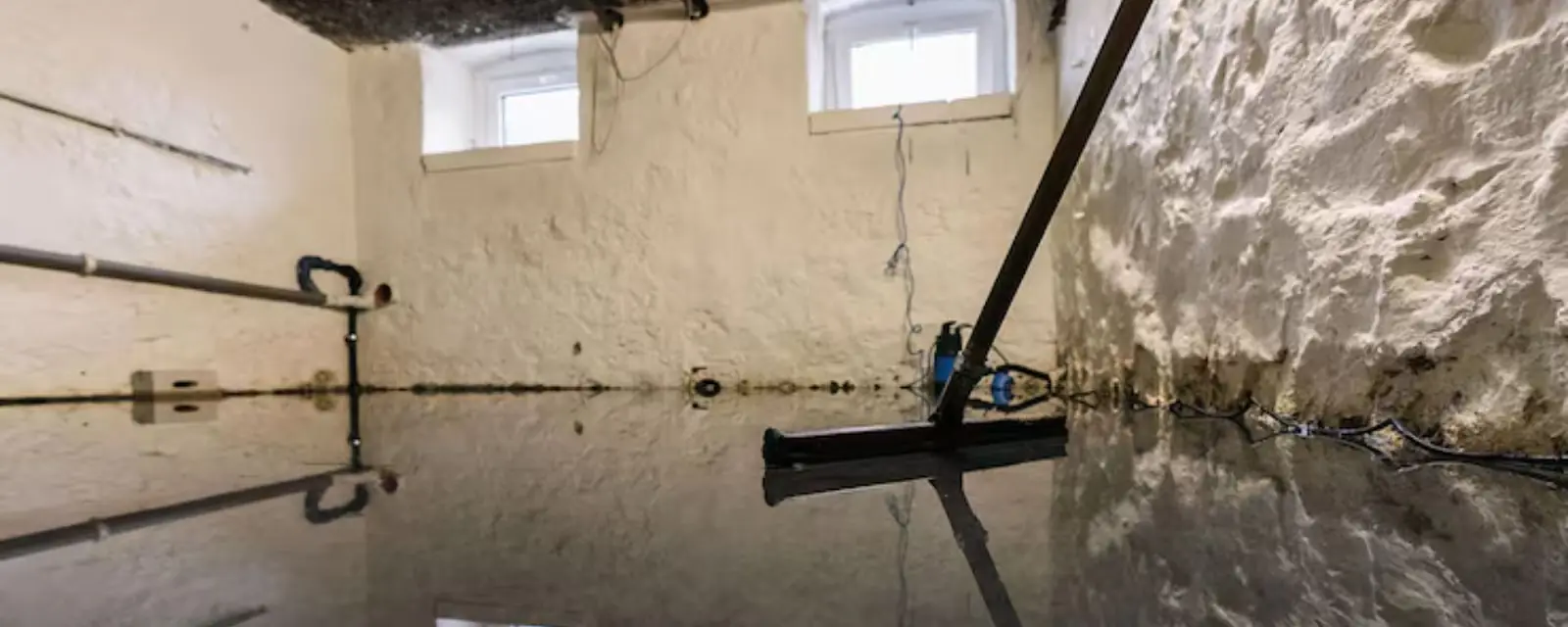
What sets the price of basement water damage repair
Water damage basement repair cost in Holliston, MA comes down to six things. These are how much water came in, what kind of water it was and how long it sat. The rest are what the basement is built from, what is stored or installed down there and how much has to be rebuilt afterward. Two basements with the same puddle can produce very different estimates.
We do not quote numbers from a phone call because the readings decide the scope. What we can do is show you how the estimate is structured, so you can read any quote you receive.
Water category comes first
Restoration standards sort water into categories by contamination. Clean supply-line water is the least costly to handle. Water that has been sitting, or that came from a washing machine drain, picks up bacteria and is treated differently. Floodwater and sewer backup are the most serious.
Floodwater in a basement is presumed contaminated under state guidance, which means wallboard, trim and insulation that soaked in it come out. That decision alone can move a basement from a dry-out job to a demolition and rebuild job.
ANSI/IICRC S500 is the published standard for water damage restoration and defines the categories. Any company can tell you which category it assigned to your loss and why.
Finished versus unfinished: where the money splits
An unfinished basement with a bare slab and block walls mostly needs extraction, drying and cleaning. A finished basement adds drywall, insulation, carpet or luxury vinyl, baseboards, doors and sometimes a full bathroom or kitchenette. Each finished surface becomes its own line in the estimate.
| Basement type | Main cost drivers | What the estimate will list |
|---|---|---|
| Unfinished, bare slab | Water volume, extraction time, drying days, cleaning | Extraction, air movers, dehumidifiers, anti-microbial cleaning, monitoring visits |
| Partly finished (framing, drywall) | Wet drywall and insulation removal, framing drying | All of the above plus demolition, disposal, possible framing treatment |
| Fully finished (floors, walls, bath) | Flooring, cabinetry, trim, paint, fixtures, longer rebuild | Mitigation lines, then separate rebuild lines for each room and finish |
| Mechanical room (furnace, water heater, panel) | Equipment inspection and possible replacement by licensed trades | Restoration lines only. Plumbers and electricians quote their own work. |
Line items you will see on an honest estimate
A basement estimate should separate emergency work from rebuild work. Mitigation covers extraction, demolition of wet materials, drying equipment and daily monitoring. Rebuild covers insulation, drywall, flooring, trim and paint.
Equipment is usually priced per piece per day, so the number of air movers and dehumidifiers and the length of the dry-out both matter. Ask how many units are planned, and how the crew will decide to remove them. The answer should be moisture readings at agreed targets, not a fixed number of days.
- Water extraction and equipment setup, with the type of extraction listed
- Demolition and disposal of wet drywall, insulation, carpet and pad
- Drying equipment by type and quantity, with a monitoring plan
- Cleaning and anti-microbial treatment of surfaces left in place
- Contents handling: moving, packing out, cleaning or disposal
- Rebuild items listed room by room, with materials and finish levels named
- Any trade work that restoration does not cover, such as plumbing, electrical or sump pump replacement
Scope versus allowance: how to compare two estimates
The most common mistake in comparing basement estimates is comparing the bottom line. One company may list every wall and floor. The other writes one lump line called rebuild. The second one looks cheaper until the allowance runs out and the change orders begin.
Lay both estimates side by side and match them line by line. Look for what is missing, what is described only as an allowance and what is excluded in small print. Ask both companies the same questions about equipment count, drying targets and who pulls permits.
Our water damage cleanup estimates list scope in writing and explain price before work starts. You should expect that from anyone you hire.
Holliston basements, sump pumps and storm backups
Insurance and cost: what to document first
Whether your policy pays depends on the cause. Sudden and accidental discharge from a plumbing line is often covered. Groundwater seepage, surface flooding and gradual leakage often are not, and sewer or sump backup may need an endorsement.
Photograph the water line on the walls, the damaged contents and the failed pump or pipe. Save receipts. The Division of Insurance advises reporting claims immediately. No one, including a restoration company, can promise how your insurer will respond.
Sequence and staging: why order saves money
Basement repair works in stages, and the wrong order costs money twice. Water out first, wet materials out second, drying third, rebuild last. Putting new flooring over a slab that still reads damp means paying for it again.
Staging also affects living arrangements. If the furnace and water heater are down there, heat and hot water may be affected until a licensed plumber or heating technician clears them. Ask the contractor to schedule trades so the basement is not opened up longer than needed. Our flood damage restoration crews coordinate that sequence on larger jobs.
Neighboring towns see the same cost drivers
Basement water problems are not unique to Holliston. Medway lists Hopping Brook along Route 109 and Chicken Brook at Village Street as flood sources, both of which also run through or near Holliston. Ashland recorded 17.7 inches of rain over 19 days in March 2010 in its draft hazard plan, a good reminder of how long wet ground can push on a foundation.
The cost factors stay the same across all of them: water type, material, time and rebuild scope.
Frequently asked questions
Why can't a company give an exact basement price over the phone?
The price depends on moisture readings, water category and what is finished down there. A phone call cannot tell whether the wall cavities are wet or whether the slab is saturated. A site visit with a moisture meter and thermal camera is what produces a real scope.
Does a finished basement always cost more to repair?
It usually does because there are more materials to remove, dry and replace. Carpet, pad, drywall, insulation, trim and fixtures each become line items. An unfinished basement mostly needs extraction, drying and cleaning.
Is sump pump failure covered by homeowners insurance?
Often not by a standard policy. A sump pump or water backup endorsement may provide some coverage, according to the Massachusetts Division of Insurance. Read your policy now and ask your insurer what it covers.
What should be in a written basement estimate?
Extraction, demolition, equipment by type and quantity, monitoring, cleaning, contents handling and rebuild items room by room. Exclusions and allowances should be spelled out, along with who pulls any permits.
Can I start repairs before the insurance adjuster visits?
Emergency steps to limit damage are normally expected. Photograph everything first, keep damaged materials if the adjuster asks, and call your insurer before any major demolition or rebuild decisions.
How can I check whether my Holliston basement is in a mapped flood area?
The town has no dedicated flood map page, so use the FEMA Flood Map Service Center at msc.fema.gov and enter your address. The Hazard Mitigation Plan (2024) also describes the Beaver Brook, Hopping Brook, Lake Winthrop, Chicken Brook and Bogastow Brook flood zones.
Dealing with this right now?
Call the 24/7 line. Scope and price are explained before work starts.
☎ Call (508) 446-9244