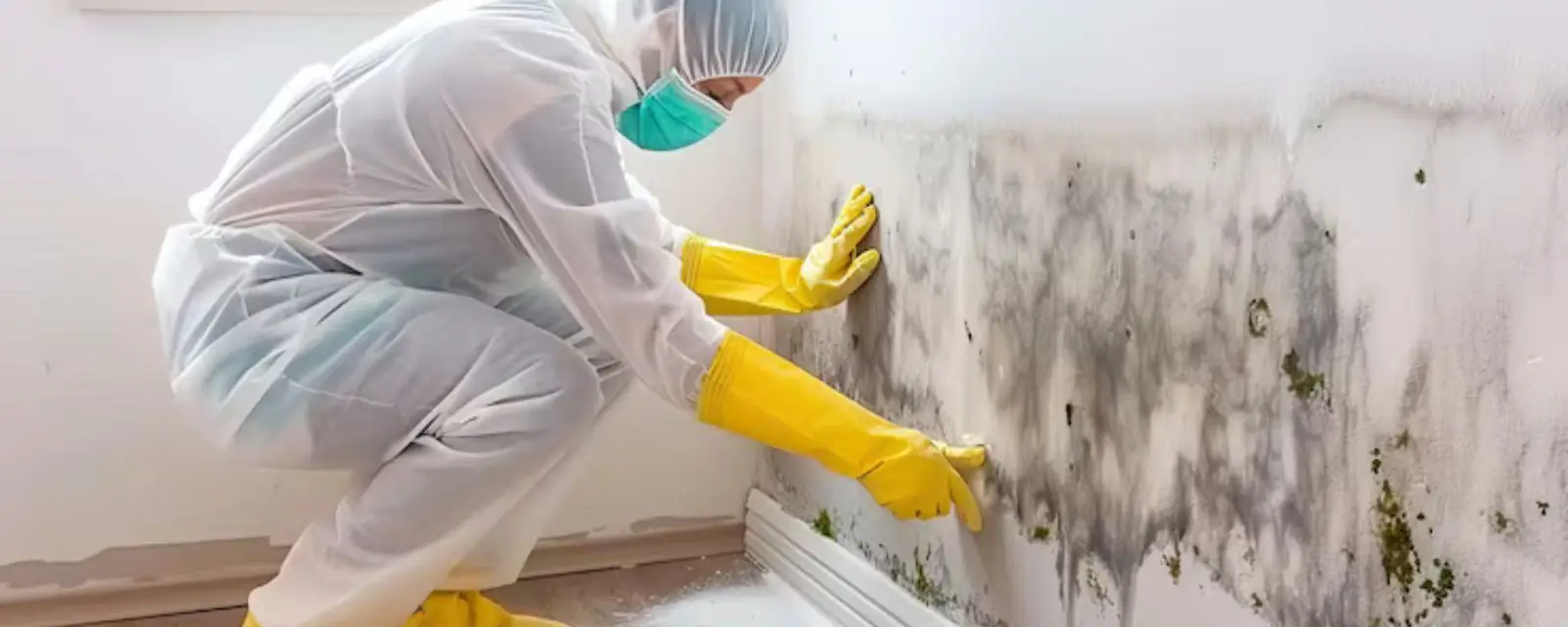
The short answer: no moisture, no mold
To get rid of mold in a Holliston, MA home, find the water source, fix it, dry the area and then clean or remove the affected material. Scrubbing a spot while the leak keeps feeding it is a repeat chore, not a solution.
Small surface growth on a hard, non-porous surface can be cleaned by a homeowner. Large areas, soft materials like drywall or insulation, and anything that returns after cleaning call for a mold remediation crew.
Step one: find where the moisture is coming from
Mold needs water, organic material to grow on and time. You cannot remove the organic material in a house, so water is the one variable you control. Most mold in this area traces to one of a handful of sources.
- A slow plumbing leak under a sink, behind a toilet or inside a wall
- A bathroom or kitchen with no working exhaust fan, or one that vents into the attic
- Wet basement walls or a slab that sweats in summer
- A dryer vent that dumps humid air indoors
- A roof or window leak that wets framing
- A past flood or leak that was never fully dried
A moisture meter and a thermal imaging camera help a pro find hidden water. At home, look for stains, peeling paint, warped trim and a musty smell that gets stronger when the room is closed.
Step two: dry it within the window that matters
Mold needs moisture to start, so the state's one-day drying goal matters, as does the Housing Code's 48-hour limit on leak and flood dry-out. After that, the odds of growth rise quickly on porous materials.
Run fans, open windows when outdoor air is drier than indoor air and add a dehumidifier. For serious wetting, our water mitigation crews use air movers and LGR dehumidifiers and take readings until framing reaches normal levels.
Cleaning versus removal: how to decide
The DPH guide treats a detergent and water wash as the normal fix for light surface growth. It adds that no official limit defines a safe level of mold. That means the decision is practical, not numerical: can you clean it off, or is it in the material?
| What you see | Likely approach | Why |
|---|---|---|
| Light spots on tile, glass, sealed wood or painted trim | Wipe with detergent and water, dry fully | Non-porous or sealed surfaces clean well |
| Growth on bathroom ceiling paint in a small patch | Clean carefully, fix ventilation, watch for return | If it returns, moisture is still present |
| Growth on drywall, plaster or ceiling tile that is soft or stained | Cut out and replace affected material | Porous materials hold growth below the surface |
| Wet or moldy insulation | Remove and replace | Insulation cannot be reliably cleaned |
| Large patches, multiple rooms, or growth after a flood or sewage backup | Professional containment and removal | Disturbing it spreads spores and floodwater adds contamination |
Questions about whether mold affects someone's health belong to a physician, not a restoration company or a web page.
Safe cleaning of a small area, step by step
- Fix the leak and let the area dry before you clean.
- Wear an N95-style respirator, gloves and eye protection that seals against dust.
- Keep the area closed off and run a window fan to the outside if you can.
- Mix detergent and water, scrub hard surfaces and rinse with a clean damp cloth.
- Dry the area fully with fans or a dehumidifier.
- Bag removed rags and loose material, seal the bag and place it in household trash.
Do not mix bleach with ammonia or other cleaners. Do not sand or dry-brush mold, and do not paint over it. Stop if the growth is spreading, if you feel unwell during cleanup or if the area is larger than you can safely reach.
Control humidity: the part that keeps mold away
Indoor humidity does the long work. A simple hygrometer costs little and tells you when to run a dehumidifier. Aim to keep living spaces comfortably dry and watch basements, bathrooms and closets on exterior walls.
Use bathroom fans during showers and for a while afterward. Vent kitchen hoods outdoors. Clear gutters and downspouts so they move water away from the foundation, and keep soil sloped away from the house. Nobody can promise mold will never return, but fixing the conditions makes it a smaller risk.
Closets on exterior walls, the space behind a stored mattress and the corners of a basement are the usual trouble spots. Pull furniture a few inches from cold walls so air can move behind it. Store boxes on shelves instead of the slab, and keep a dehumidifier's drain line clear so it does not stop quietly when the bucket fills. A weekly glance at these spots takes two minutes and catches a musty smell before it turns into a stain.
What Holliston's weather asks of your house
A year-round prevention routine
Spring is for checking foundation walls and sump pumps after the melt. Summer is for dehumidifiers in basements and for watching closets and corners where air stalls. Fall is for gutters, dryer vents and furnace humidifier settings. Winter is for watching windows for condensation and bathrooms for fan performance.
After any leak, spill or flood, check the area again at one week and at one month. A short note on your phone with the date is enough. Neighbors in Hopkinton and Milford deal with the same seasons and can do the same checks.
When to stop and call
Call a professional if the growth covers a large area, returns after cleaning, sits on drywall or insulation or follows any flood or sewage event. Ask for a written scope that covers containment, removal and moisture correction.
There are no licenses required to conduct mold remediation in Massachusetts, so the state guide advises asking contractors for a Statement of Qualifications and references. ANSI/IICRC S520 is the published mold remediation standard, and any company should be able to explain how its work follows it.
Frequently asked questions
Does bleach get rid of mold?
State advice for light growth is a detergent and water wash. Bleach does not penetrate porous materials, and mixing it with other cleaners is dangerous. Remove porous material that is moldy instead of trying to soak it.
Can I get rid of mold without fixing the leak?
Only temporarily. Mold returns wherever moisture persists. Fix the source, dry the area and then clean or remove materials.
Is it safe to clean mold myself?
Small areas on hard surfaces, yes, with a respirator, gloves and eye protection. Large areas, soft materials and anything following sewage or floodwater are better left to professionals. Questions about health effects belong to a physician.
Do I need to test the air for mold?
The state guide notes that no official limit defines a safe level, so a number alone does not settle much. Visible growth and a moisture source are the real signals. Ask a remediation company when testing would add useful information.
How long does it take to dry a room after a leak?
Aim for within 24 hours if possible and within 48 hours at most. Larger or deeper wetting takes professional equipment and monitoring, and the time depends on readings, not a calendar.
When in the year should Holliston homeowners check for moisture problems?
Check before nor'easter season, which runs October through April, and again after the spring thaw. The Holliston Hazard Mitigation Plan (2024) notes that heavy snow increases flooding risks when it melts.
Dealing with this right now?
Call the 24/7 line. Scope and price are explained before work starts.
☎ Call (508) 446-9244